
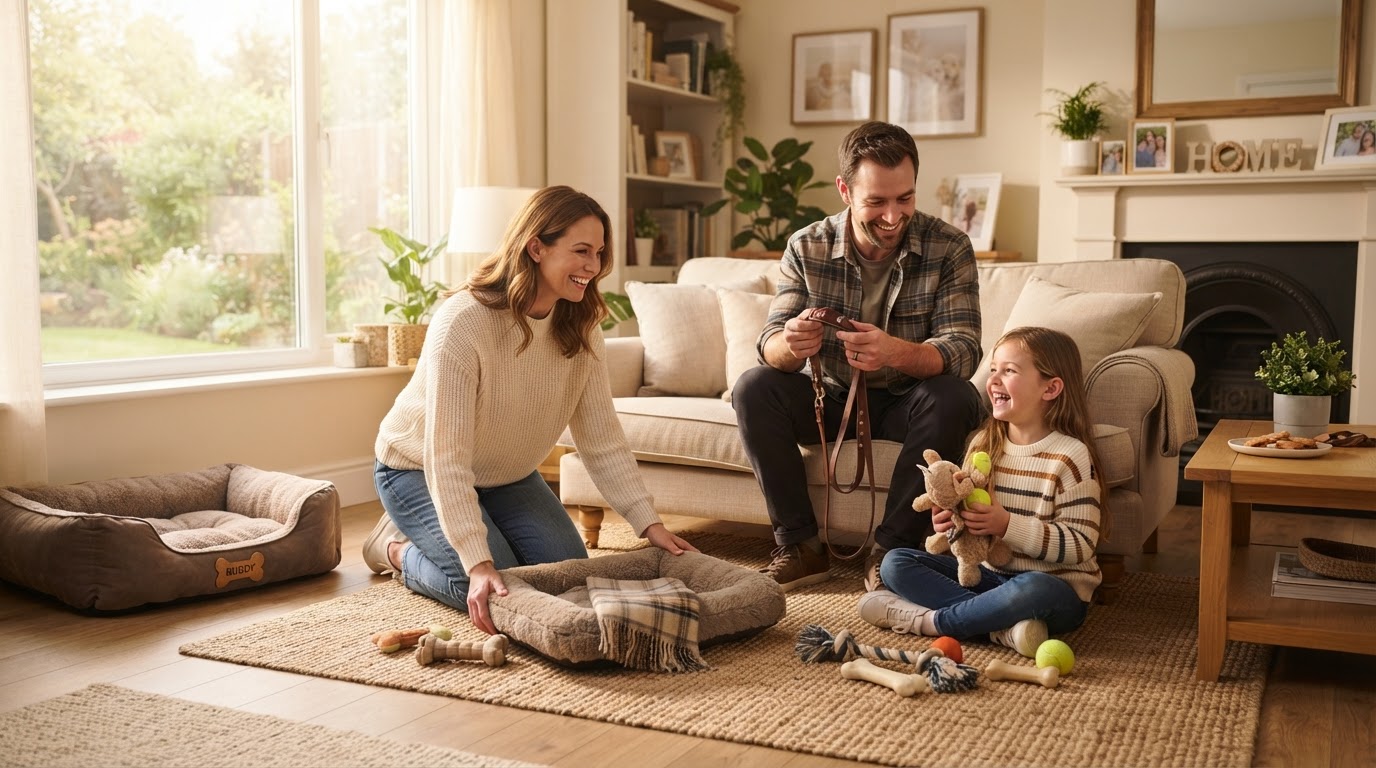
Welcoming a companion dog into your life can be deeply rewarding. A dog can provide friendship, comfort, routine, and countless moments of joy.
But companionship is a two-way commitment.
Before applying for, adopting, or accepting a companion dog, every individual and family should consider whether they can provide the safe, stable, and loving home that the dog will need throughout its life.
Being ready involves much more than wanting a dog. It means honestly considering your household, daily routine, finances, expectations, and long-term ability to provide care.
These 12 questions can help you decide whether now is the right time to welcome a canine companion.
Why Do You Want a Companion Dog?
Begin with the reason behind your decision.
Are you looking for friendship? A more consistent daily routine? A reason to spend additional time outdoors? Comfort during a difficult season? A dog to become part of your family?
There is no single correct answer, but expectations should be realistic. A companion dog can offer affection and connection, but no dog can guarantee a particular emotional, social, or health outcome.
A dog is also not a substitute for medical care, mental-health treatment, human relationships, or community support.
Does Your Daily Routine Allow Time for a Dog?
Dogs need consistent daily attention. Depending on the individual dog, that can include:
- Feeding and fresh water
- Bathroom breaks
- Exercise and walks
- Play and enrichment
- Training and reinforcement
- Grooming
- Veterinary appointments
- Affection and social interaction
- Cleaning and household care
Consider your typical schedule — not only weekends or ideal days.
If you work long hours, travel frequently, attend school, manage medical appointments, or have significant family responsibilities, decide who will care for the dog when you are unavailable.
Is Everyone in the Household Comfortable With a Dog?
A successful placement requires support from the entire household.
Discuss the decision with every adult and child who lives in the home. Consider allergies, fears, cultural preferences, physical limitations, existing pets, and expectations about responsibilities.
One person should not assume that another household member will eventually become comfortable with the arrangement.
When children are involved, an adult must remain responsible for the dog's care and supervision. A child can participate, but the dog's welfare should never depend entirely on a minor.
Is Your Home Safe and Suitable?
Different dogs have different space, activity, and accessibility needs.
Before welcoming a companion dog, consider:
- Whether dogs are permitted by your landlord, homeowners' association, or housing provider
- The size and layout of the home
- Access to an appropriate outdoor area
- Stairs, flooring, gates, fences, and other safety concerns
- The location of food, water, bedding, and supplies
- Whether medications, chemicals, food, cords, and small objects can be secured
- How the dog will interact with visitors, children, and other animals
A large yard is not required for every dog, but every dog needs a safe environment and appropriate opportunities for exercise.
Can You Afford the Full Cost of Dog Ownership?
Even when an adoption or placement fee is reduced or covered, caring for a dog involves continuing expenses.
Those expenses may include:
- Food and treats
- Routine veterinary examinations
- Vaccinations and preventive care
- Emergency veterinary treatment
- Medications
- Licensing and identification
- Training
- Grooming
- Leashes, collars, harnesses, bedding, crates, and toys
- Boarding, pet sitting, or dog walking
- Repairs or replacement of damaged belongings
Costs vary by dog, location, health, and household. It is wise to prepare for both predictable expenses and unexpected emergencies.
Are You Prepared for a Long-Term Commitment?
A dog may be part of your life for many years.
Think beyond your current circumstances. What might happen if you move, change jobs, experience a financial setback, welcome a child, develop health limitations, or begin traveling more frequently?
No one can predict every change. However, responsible dog ownership includes planning for foreseeable challenges and identifying trusted people who may be able to help if circumstances change.
What Size, Age, and Energy Level Fit Your Life?
The best companion dog is not necessarily the youngest, largest, smallest, or most visually appealing dog. The best match is the dog whose temperament and needs fit the household.
Consider whether your lifestyle is better suited to:
- A puppy, adult dog, or senior dog
- A highly active or more relaxed dog
- A larger or smaller dog
- A dog comfortable with children
- A dog able to live with other animals
- A dog that can manage stairs or limited space
- A dog whose grooming requirements fit your abilities and budget
Breed can offer general clues, but every dog is an individual.
Are You Ready to Continue Training?
Training does not end on placement day.
Even a well-mannered companion dog needs time to learn a new household's routines, boundaries, people, sounds, and expectations. Positive, consistent training helps build communication and trust.
Your dog may need help learning:
- Where to sleep
- When and where to go outside
- How to walk calmly on a leash
- How to greet people appropriately
- Which household items are off-limits
- How to remain comfortable when left alone
- How to respond to basic cues
Adjustment takes time. Patience is an essential part of responsible matching.
Can You Meet the Dog's Physical and Emotional Needs?
Food and shelter are only part of good care.
Dogs also need exercise, mental stimulation, social interaction, rest, preventive veterinary care, and a sense of security. Their needs vary with age, temperament, health, and past experiences.
Some dogs adjust quickly. Others may initially be shy, restless, uncertain, or overwhelmed.
A new dog should be given time and space to settle without being pressured to immediately provide comfort, affection, or companionship.
Have You Considered Accessibility and Mobility?
If the prospective recipient has a disability, limited mobility, balance concerns, or other accessibility needs, the dog and home should be considered together.
Questions may include:
- Can the recipient safely hold or manage a leash?
- Could the dog create a tripping risk?
- Who will provide exercise if the recipient cannot?
- Is the home accessible for both the person and the dog?
- Can food, water, doors, gates, and supplies be managed safely?
- Is a companion dog appropriate, or does the individual require a dog trained to perform specific disability-related tasks?
A companion dog is not automatically a service dog and does not automatically receive the same public-access rights.
What Will Happen During Travel or Emergencies?
Every dog owner needs a backup plan.
Identify who can care for the dog during travel, hospitalization, illness, severe weather, household emergencies, or other unexpected circumstances.
Keep important information accessible, including:
- Veterinary contact information
- Feeding and medication instructions
- Emergency contacts
- Identification and microchip details
- Vaccination and health records
- Behavioral or handling information
- An appropriate temporary caregiver
Planning ahead protects both the dog and the recipient.
Are You Willing to Put the Dog's Welfare First?
This may be the most important question.
Sometimes the responsible decision is to wait. Sometimes a particular dog is not the right match. Sometimes circumstances change, and additional support is needed.
Responsible companionship means listening to the dog's needs, seeking qualified assistance when challenges arise, and making decisions based on long-term well-being rather than pressure or expectations.
A successful placement should enrich the lives of both the recipient and the dog.
There Is No Shame in Not Being Ready Yet
Deciding that this is not the right time does not mean you will never be ready.
You may need to address housing restrictions, build savings, arrange dependable backup care, speak with household members, or learn more about dog ownership first. Preparation is a sign of responsibility — not failure.
Volunteering, fostering through a qualified organization, helping a friend with their dog, or spending time with dogs in supervised settings may offer valuable experience before making a long-term commitment.
How the Golden Green Foundation Approaches Companion-Dog Readiness
The Golden Green Foundation is preparing for an anticipated program launch in 2027. Our developing process is intended to include individual review, responsible dog-and-recipient matching, gradual introductions, preparation, and ongoing check-ins.
We consider the needs of every applicant and every Golden Canine individually. Applying or being nominated will not guarantee eligibility, selection, or placement. Availability and timing will depend on household suitability, compatibility, the needs of the dog, and the Foundation's resources.
Our goal is not simply to place dogs. It is to help create responsible, lasting relationships built around companionship, dignity, safety, and care.
If you are beginning to explore canine companionship, read What Is a Companion Dog?, learn more about who we serve, and review our developing placement process.
This article provides general educational information and is not medical, mental-health, disability, veterinary, housing, or legal advice.