First responders spend their working lives answering calls that most people hope they never have to make.
Firefighters, emergency medical technicians, paramedics, police officers, 911 dispatchers, corrections personnel, and other public-safety professionals regularly face long hours, interrupted schedules, difficult decisions, and exposure to traumatic events.
When the shift ends, returning home does not always mean that the effects of the day disappear.
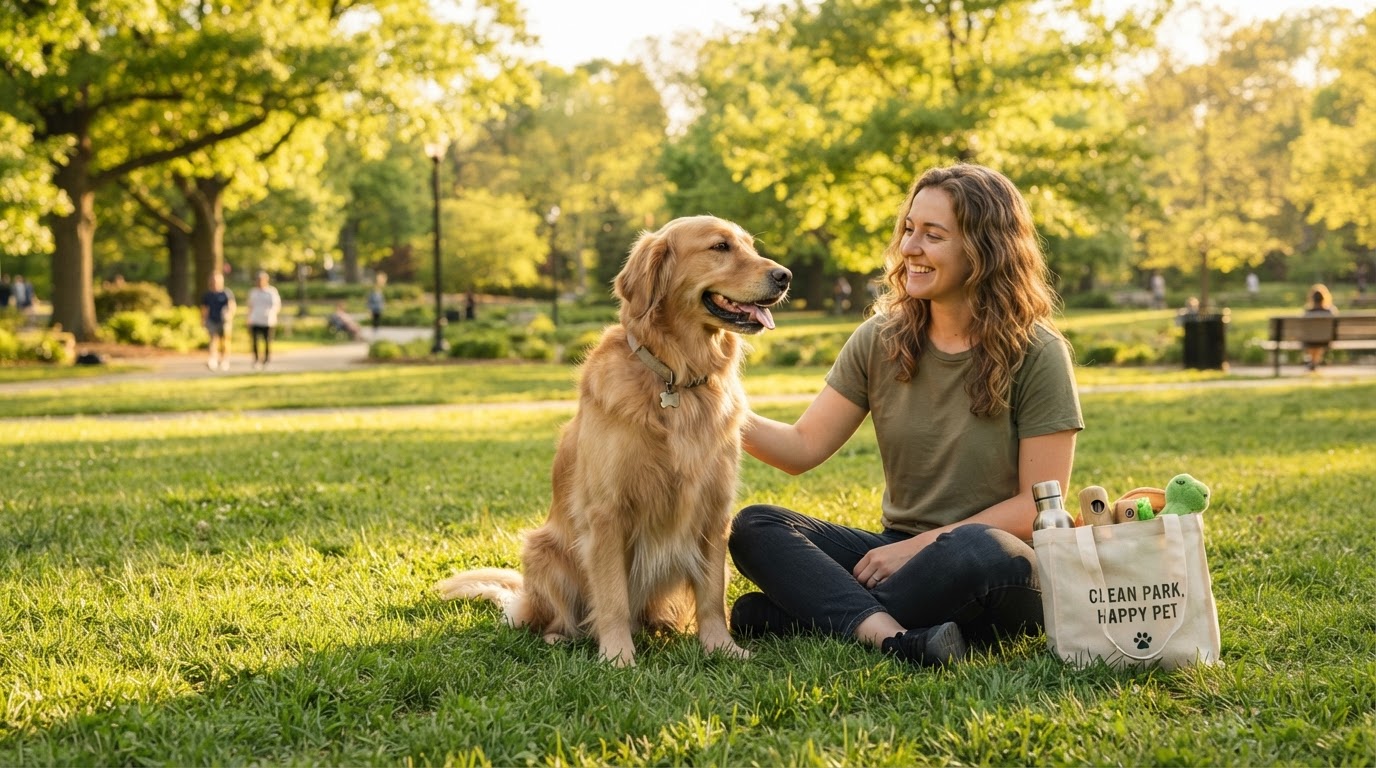
A carefully matched companion dog cannot erase those experiences or replace professional support. However, canine companionship may offer something valuable outside the uniform: a dependable routine, a welcoming presence, and a relationship without professional expectations.
Why First Responders May Benefit From Canine Companionship
First responders work in environments that can involve acute stress from a specific incident and chronic stress that builds over time.
The National Institute for Occupational Safety and Health notes that public-safety workers can experience long hours, traumatic events, workplace violence, and high-stress decisions. These demands can affect emotional, psychological, and social well-being.
Every first responder responds to these experiences differently. No occupation, incident, or diagnosis automatically means that a person needs a dog. However, some first responders may find that the right canine companion adds comfort and healthy structure to life away from work.
A companion dog may encourage:
- A predictable daily routine
- Regular outdoor activity
- Time away from work-related environments
- Positive interaction at home
- A sense of connection during quiet hours
- Engagement with family and neighbors
- Responsibility focused on ordinary daily care
- Moments of play, affection, and rest
These potential benefits depend on the individual, the dog, the household, and the quality of the match.
A Steady Welcome After an Unpredictable Shift
First responders often work nights, weekends, holidays, rotating schedules, and unexpected overtime. Their days can change with a single call.
Dogs also need dependable care. Feeding, walking, play, training, and rest create routines that continue regardless of what happened during a shift.
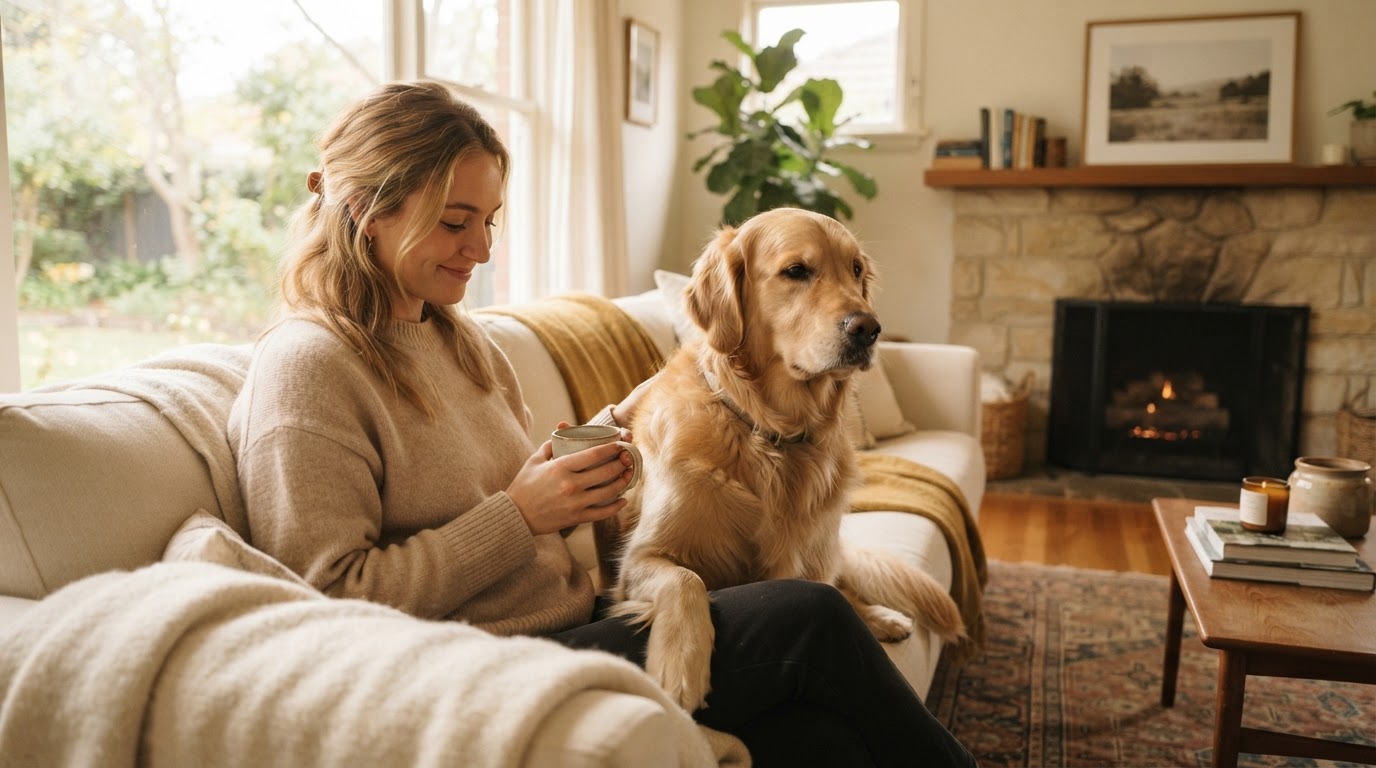
For some people, those ordinary responsibilities can provide a meaningful transition between work and home. A walk around the neighborhood, preparing a meal for the dog, or spending a few quiet minutes together can help mark the return to everyday life.
The dog does not need to understand the events of the day. The relationship is built through presence, consistency, trust, and care.
Companionship Without Pressure to Explain
First responders may not always want to discuss their work when they return home. Some experiences are difficult to describe, while others may be confidential or simply require time to process.
A companion dog does not ask for an explanation.
Dogs communicate through routine, movement, proximity, play, and affection. That quiet relationship may offer a first responder a form of connection that does not require finding the right words.
This does not mean that a dog replaces conversations with family, peer-support programs, chaplains, counselors, physicians, or qualified mental-health professionals. Canine companionship should be viewed as one possible source of everyday support within a broader network of care.
Companion Dog or Psychiatric Service Dog?
A companion dog and a psychiatric service dog are not the same.
A companion dog provides friendship, comfort, and connection through everyday life with a person or family. The dog is not necessarily trained to perform a specific disability-related task.
Under the Americans with Disabilities Act, a service dog is individually trained to perform work or tasks directly related to a person's disability. A psychiatric service dog might be trained to take a specific action in response to a disability-related need.
Comfort provided solely through a dog's presence does not make that dog a service animal under the ADA. A companion dog therefore does not automatically receive the same public-access rights as a service dog.
Readers who need guidance about service-animal rights should consult the official ADA service-animal information or seek qualified legal guidance.
Choosing the Right Companion Dog for a First Responder
A successful first-responder companion-dog match depends on much more than breed or appearance.
Important considerations include:
The dog should have a temperament suited to the recipient, household, environment, and expected daily routine. Some people may appreciate an outgoing dog, while others may be better matched with a calmer and more reserved companion.
An active first responder may enjoy hiking, running, or long walks with a high-energy dog. Someone working long or unpredictable shifts may need a dog with more moderate exercise requirements and dependable backup care.
Children, other pets, frequent visitors, apartment living, stairs, yard access, and neighborhood conditions can all affect whether a particular dog is a suitable match.
A dog living with a first responder may encounter boots, radios, uniforms, helmets, reflective clothing, gear bags, unusual work hours, and sudden arrivals or departures. The dog should be introduced to unfamiliar objects and routines gradually and positively.
First-responder schedules may include overtime and emergencies. The household needs a realistic plan for bathroom breaks, exercise, meals, supervision, and companionship when the recipient is unexpectedly delayed.
The recipient or household must be able to provide food, training, exercise, grooming, preventive veterinary care, emergency treatment, and stable care throughout the dog's life.
The most recognizable breed is not automatically the best match. Temperament, health, age, energy, and household compatibility matter more than appearance alone.
Questions First Responders Should Ask Before Applying
Before pursuing a companion dog, consider:
- Who will care for the dog during long or unexpected shifts?
- Is there a dependable backup caregiver?
- How much daily exercise can the household provide?
- Does the housing arrangement permit dogs?
- Are all members of the household comfortable with the decision?
- Can the household afford routine and emergency veterinary care?
- Would a puppy, adult dog, or senior dog be the best fit?
- How will the dog respond to children, visitors, or other animals?
- Is the person seeking general companionship or disability-related task assistance?
- Is this the right time to make a commitment that may last many years?
There is no shame in deciding to wait. Honest preparation protects both the prospective recipient and the dog.
A Companion Dog Is Part of a Larger Support System
The CDC recognizes that public-safety workers face unique occupational stressors and that effective support should address the realities of their work. A companion dog may become one positive part of life outside the job, but it should not be presented as a treatment or cure.
First responders experiencing persistent distress or symptoms that interfere with daily activities should seek assistance from a qualified professional. Departments may also provide peer support, employee-assistance programs, chaplaincy, or other resources designed for public-safety personnel.
Read more about first-responder occupational stress and support from the CDC's National Institute for Occupational Safety and Health.
How the Golden Green Foundation Plans to Serve First Responders
Golden Green Foundation is a registered 501(c)(3) companion-dog charity rooted in Eastern Pennsylvania. First responders are among the individuals the Foundation anticipates considering for future Golden Canine placements.
The Foundation is preparing for an anticipated 2027 program launch. Its developing process is intended to include:
- A preliminary application or nomination
- Individual review
- Evaluation of household circumstances
- Consideration of the dog's health and temperament
- Thoughtful dog-and-recipient matching
- A gradual introduction
- Preparation for placement
- Ongoing check-ins and support
Employment as a first responder will not guarantee eligibility, selection, or placement. Every request must be considered individually, and every placement will depend on compatibility, timing, available dogs, household suitability, and Foundation resources.
The goal is not to place dogs as quickly as possible. The goal is to create responsible relationships that support the long-term well-being of both the first responder and the dog.
Supporting Those Who Serve Our Communities
First responders show up for their communities during emergencies, disasters, accidents, fires, medical crises, and countless difficult moments.
Golden Green Foundation believes those who serve their communities also deserve opportunities for companionship, comfort, and connection when they return home.
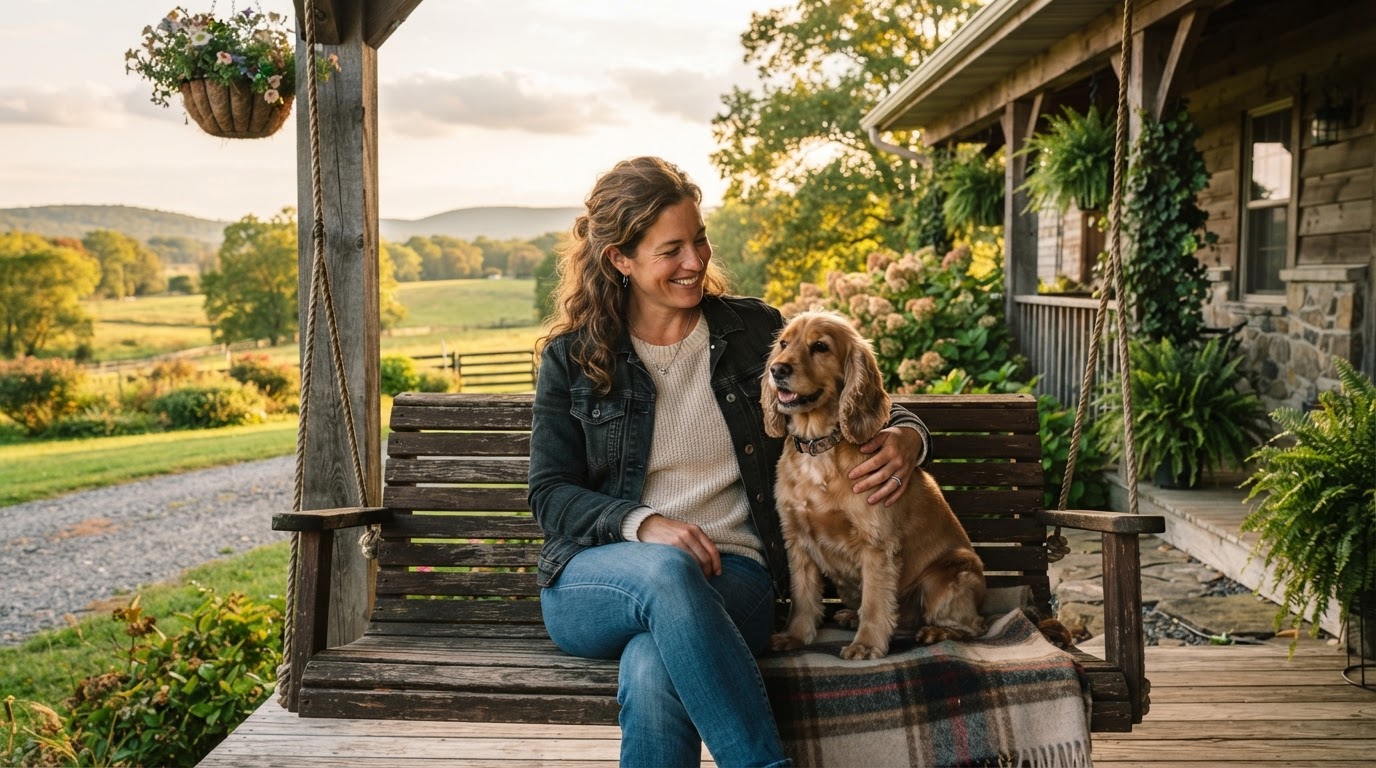
For the right person and the right dog, a carefully considered match may become something quietly powerful: a familiar face after a long shift, a reason to step outside, a steady daily routine, and a loyal friend waiting at home.
Learn more about who the Foundation plans to serve, read about responsible companion-dog matching, or review the Foundation's application and nomination process.
*This article provides general educational information. It is not medical, mental-health, disability, veterinary, employment, or legal advice. A companion dog is not a substitute for professional care.*
Golden Green LLC
Your Lawn’s Best Friend — lawn care in Eastern Pennsylvania.
Visit goldengreenlawns.com