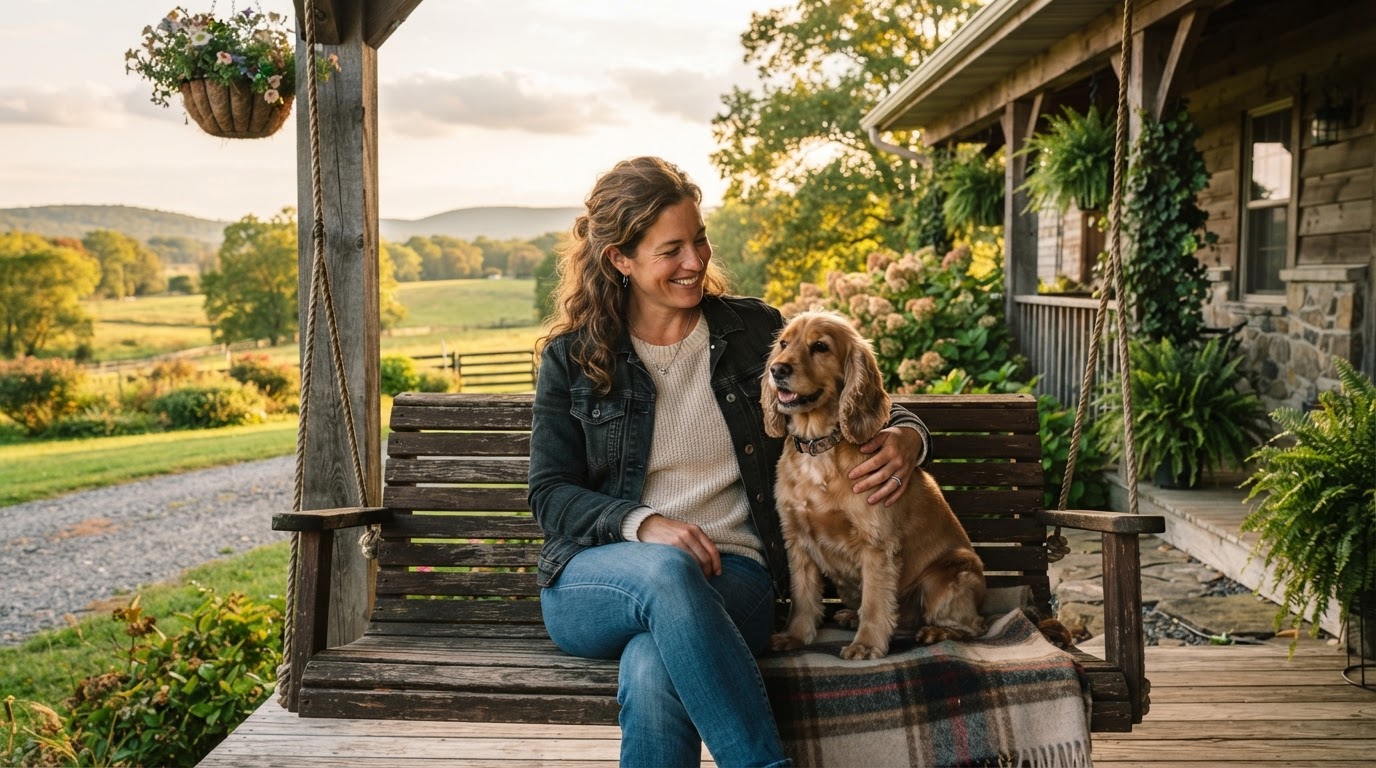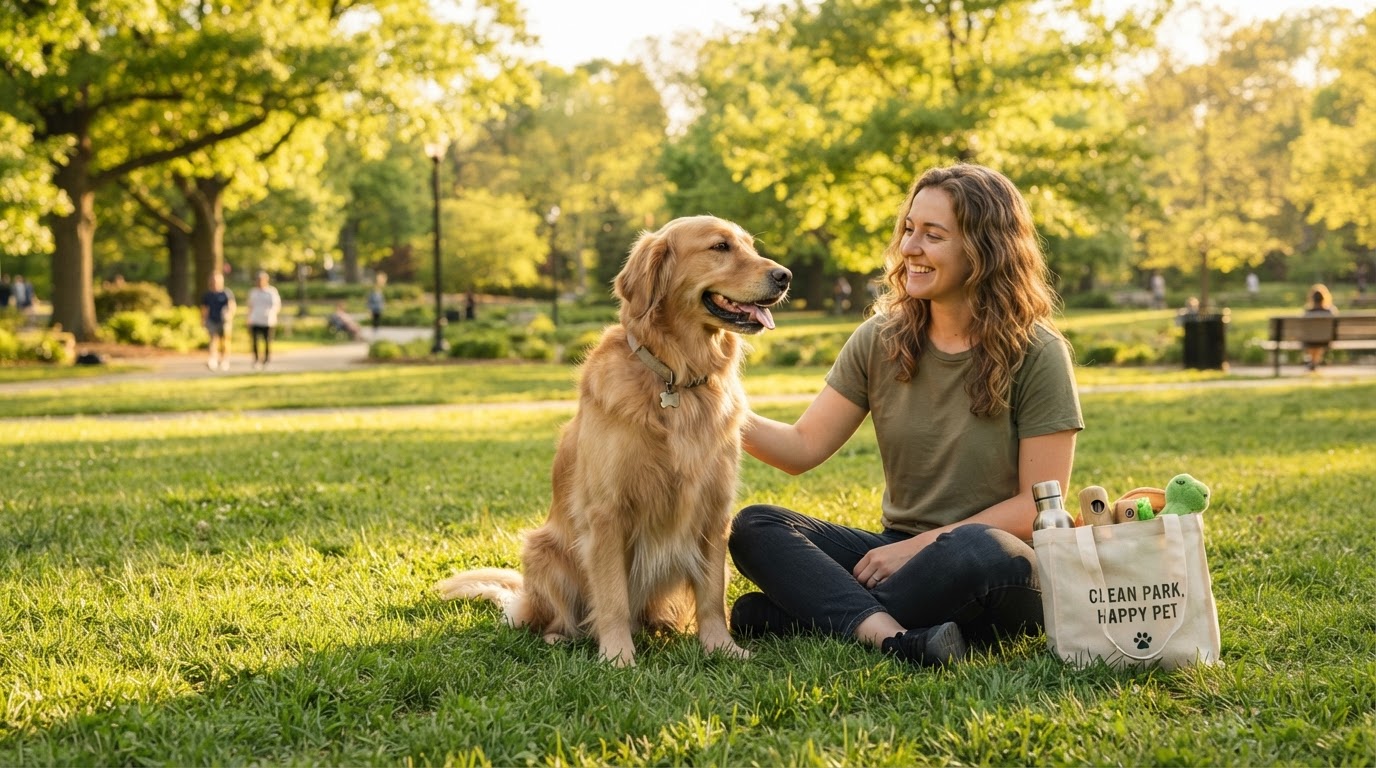
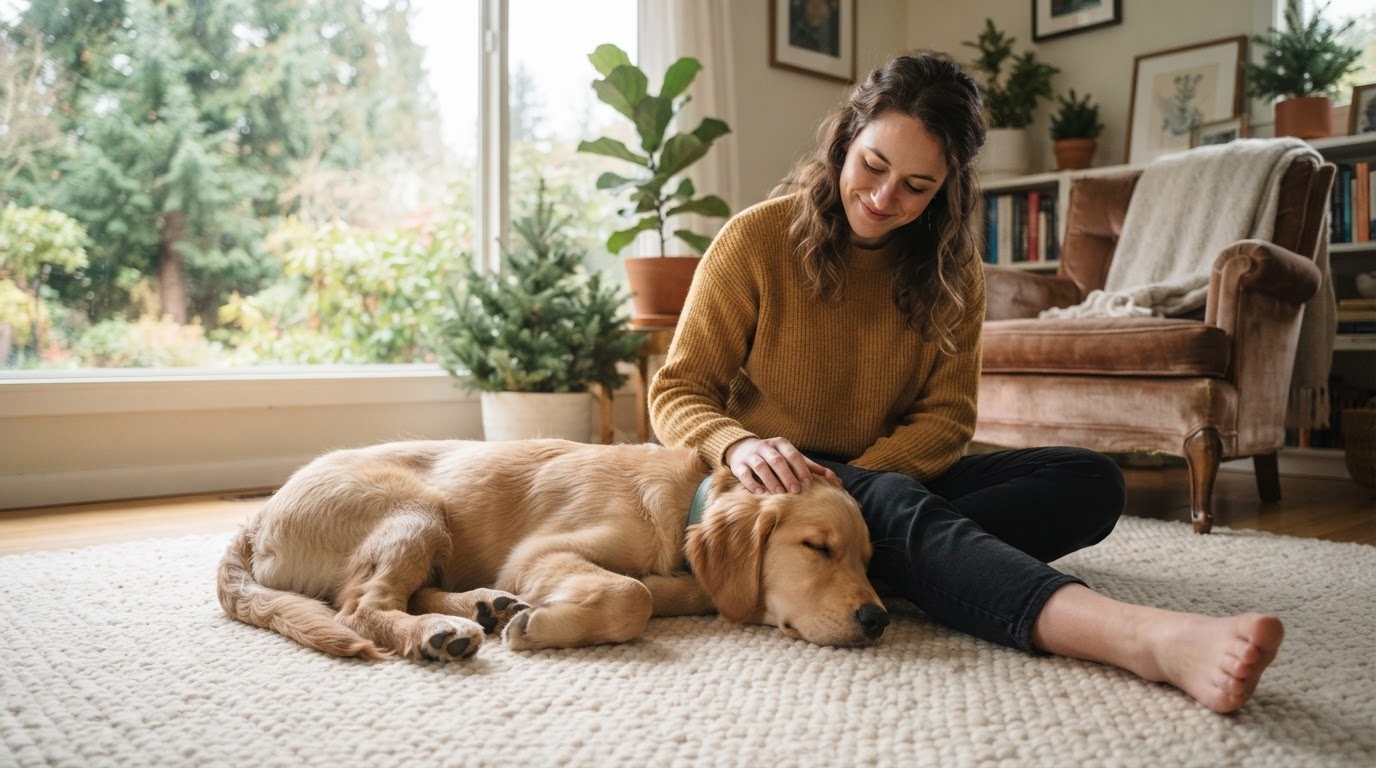
Bringing home a companion dog is an exciting milestone. It is also the beginning of an important adjustment period.
A newly placed dog must learn about unfamiliar people, sounds, routines, rooms, smells, expectations, and possibly other animals. At the same time, the recipient and household are learning how the dog communicates, what makes the dog comfortable, and where additional support may be needed.
A strong bond does not have to form overnight. Trust is usually built through many small, predictable, and positive experiences.
The first 30 days are an opportunity to establish a calm foundation for the relationship.
Begin With Realistic Expectations
It is natural to imagine an immediate connection with a new dog. Some dogs do appear comfortable very quickly, while others need considerably more time to relax and show their personalities.
A dog that seems quiet during the first few days may become more energetic after feeling secure. A dog that initially appears restless may settle once the new routine becomes familiar. Neither response automatically indicates that the placement is succeeding or failing.
Adjustment timelines vary. Popular formulas about how dogs behave after a certain number of days or weeks can be helpful reminders to remain patient, but they should not be treated as guarantees.
The most helpful approach is to observe the individual dog in front of you.
Prepare a Quiet Home Base
Before the dog arrives, create a peaceful area where the dog can rest without being disturbed.
Depending on the dog's preferences and prior experience, this space might include:
- A comfortable bed
- Fresh water
- A safe crate or open resting area
- A familiar blanket or approved toy
- Easy access to an appropriate outdoor relief area
- A gate or barrier that allows gradual household introductions
The resting area should not be used as punishment. It should provide the dog with a dependable place to relax when the household becomes busy or overwhelming.
Children and visitors should understand that a resting dog needs space. Even a friendly dog may become uncomfortable when repeatedly approached, hugged, awakened, or followed.
Keep the First Few Days Simple
A newly placed dog does not need to meet every friend, relative, neighbor, or family pet immediately.
Too many introductions, outings, toys, training demands, and unfamiliar experiences can make it difficult to understand how the dog is truly adjusting. A quieter beginning allows the household to observe the dog and establish a basic routine.
During the first few days, focus on essentials:
- Regular meals
- Calm bathroom breaks
- Appropriate exercise
- Rest
- Gentle interaction
- A consistent bedtime routine
- Any medication or care instructions
- Safe supervision
Unless necessary, avoid crowded events, dog parks, large gatherings, and a constant stream of visitors during this early period.
Establish a Predictable Routine
Predictability can help a dog understand what happens next and what is expected.
Try to provide meals, walks, bathroom opportunities, rest periods, and bedtime at reasonably consistent times. The schedule does not need to be exact to the minute, but it should be dependable enough to give the dog a recognizable daily rhythm.
A written care schedule may be especially useful when several household members share responsibilities.
Include:
- Who provides each meal
- Who handles walks or outdoor breaks
- Medication instructions, if applicable
- Training or enrichment times
- Grooming needs
- Emergency contacts
- Veterinary information
- Household boundaries and cues
Using the same rules and words can reduce confusion. If one person allows the dog on a particular piece of furniture while another repeatedly removes the dog, it becomes harder for the dog to understand the household's expectations.
Allow the Dog to Choose Interaction
Affection is an important part of companionship, but it should not be forced.
Invite the dog to approach instead of continually reaching, leaning over, hugging, or following the dog. Pause during petting to see whether the dog seeks more contact or moves away.
Watch for signs that the dog may need space, such as:
- Turning the head away
- Repeated lip licking
- Yawning when not tired
- Becoming unusually still
- Attempting to leave
- Tucking the tail
- Avoiding eye contact
- Pacing or hiding
- Growling
A growl should not be punished. It is important communication that the dog is uncomfortable. Increase distance, calmly end the interaction, and seek qualified behavioral guidance if concerning behavior continues.
Learning to respect a dog's signals helps create trust and reduces pressure on the animal.
Introduce Household Members Gradually
Let the dog meet household members in a calm environment, one or two people at a time when possible.
Ask everyone to use quiet voices and relaxed movements. Allow the dog to initiate contact. Food treats may be used when appropriate for the dog's health and behavior plan, but no one should crowd or corner the dog.
Children require close adult supervision around any dog. They should be taught not to climb on the dog, pull ears or fur, take food or toys, disturb sleep, or place their faces close to the dog's face.
Supervision means an attentive adult is actively watching and is close enough to intervene—not simply present somewhere in the home.
Introduce Other Animals Carefully
Introductions between animals should be planned around the needs and known behavior of each animal.
A neutral location may be helpful for some dog-to-dog introductions. Indoor meetings may require gates, leashes, separate rooms, or other management tools. Cats and smaller animals should always have secure areas the new dog cannot access.
Do not force the animals to share beds, toys, food bowls, or confined spaces. Feed animals separately at first and supervise access to valued items.
Some animals become comfortable with each other quickly. Others require a gradual process lasting days or weeks. In certain cases, living together may not be safe or appropriate.
A qualified trainer or behavior professional can help develop an introduction plan for the individual animals.
Use Kind, Consistent Training
The first month is a good time to teach household routines through reward-based training.
Begin with practical skills such as:
- Responding to the dog's name
- Coming when called in a safe setting
- Walking calmly on a leash
- Waiting briefly at doors
- Settling on a bed or mat
- Trading an object instead of having it taken by force
- Remaining comfortable during basic handling
Keep training sessions short and achievable. Reward behavior you want to see again with something the dog values, which may include food, play, praise, movement, or access to an appropriate activity.
Avoid physical punishment, intimidation, or techniques intended to frighten or overpower the dog. If training becomes frustrating, pause and seek guidance from a qualified professional who uses humane, evidence-informed methods.
Provide Enrichment Without Overwhelming the Dog
Companion dogs need more than physical exercise. They also benefit from appropriate opportunities to sniff, explore, chew, play, solve simple problems, and rest.
Enrichment might include:
- Calm sniffing walks
- Food puzzles
- Approved chew items
- Short training games
- Searching for scattered treats
- Gentle play
- Rotating a small selection of toys
- Quiet time outdoors in a secure area
Choose activities that are safe for the individual dog's age, health, size, and behavior.
More activity is not always better. A dog that is constantly entertained may become overtired or have difficulty settling. Balance activity with uninterrupted rest.
Monitor Health and Everyday Habits
Learn what is normal for the dog by observing appetite, water intake, bathroom habits, sleep, movement, grooming needs, and general behavior.
Contact a veterinarian when you have health concerns, particularly if the dog stops eating or drinking, has repeated vomiting or diarrhea, appears to be in pain, has difficulty breathing, becomes unusually weak, or shows another sudden or concerning change.
Arrange veterinary care according to the dog's existing health plan and records. Confirm identification details, vaccination status, parasite prevention, medications, dietary needs, and microchip information when applicable.
Do not change food suddenly unless a veterinarian recommends it. A gradual transition is often easier for a dog, but the appropriate approach depends on the dog's health and circumstances.
Track Progress Without Expecting Perfection
Keeping brief notes can help a household recognize patterns that might otherwise be missed.
Record information such as:
- Meals and bathroom habits
- Sleep and rest
- Reactions to visitors or animals
- Comfortable and uncomfortable situations
- Training progress
- Favorite activities
- Signs of stress
- Questions for the veterinarian or trainer
Progress may not follow a straight line. A dog can have several comfortable days followed by a difficult one. Changes in schedule, weather, visitors, noise, health, or fatigue may all affect behavior.
Look for overall patterns instead of judging the entire placement by a single moment.
Ask for Help Early
Seeking help is a responsible action—not an admission of failure.
Contact the appropriate placement representative, veterinarian, or qualified behavior professional when you are uncertain about the dog's health, safety, or adjustment.
Ask for prompt assistance if the dog:
- Shows escalating fear or aggression
- Guards food, toys, furniture, or people
- Cannot be safely managed around household members or animals
- Repeatedly attempts to escape
- Experiences severe distress when left alone
- Refuses food or water
- Exhibits sudden behavioral changes
- Has medical symptoms or appears to be in pain
Do not wait for a serious concern to become a crisis. Early support can protect the dog, the recipient, and the household.
A Simple First-Month Roadmap
Every placement is different, but the following framework can help organize the first month.
Prioritize safety, rest, basic care, and a predictable schedule. Keep introductions limited and observe without placing unnecessary demands on the dog.
Continue the routine, begin short and positive training sessions, and introduce new household experiences gradually. Note what helps the dog feel comfortable.
Practice useful household skills, offer appropriate enrichment, and continue learning the dog's body language. Address emerging questions with the placement team or a professional.
If the dog is adjusting comfortably, begin introducing additional environments, people, and activities at an appropriate pace. Maintain the routines that are working.
This roadmap is flexible. Some dogs will be ready to progress more quickly, while others will benefit from a slower approach.
Days 1–3: Create Calm
Prioritize safety, rest, basic care, and a predictable schedule. Keep introductions limited and observe without placing unnecessary demands on the dog.
Days 4–7: Build Familiarity
Continue the routine, begin short and positive training sessions, and introduce new household experiences gradually. Note what helps the dog feel comfortable.
Week 2: Strengthen Communication
Practice useful household skills, offer appropriate enrichment, and continue learning the dog's body language. Address emerging questions with the placement team or a professional.
Weeks 3–4: Expand Thoughtfully
If the dog is adjusting comfortably, begin introducing additional environments, people, and activities at an appropriate pace. Maintain the routines that are working.
This roadmap is flexible. Some dogs will be ready to progress more quickly, while others will benefit from a slower approach.
The Beginning of a Lasting Bond
A companion dog does not need a perfect first month. The dog needs safety, patience, consistency, appropriate care, and people who are willing to listen.
The most meaningful connections are often built quietly: a dog choosing to rest nearby, responding to a familiar voice, becoming comfortable with a routine, or looking to a new companion for reassurance.
Those moments may seem small, but together they form the foundation of trust.
At the Golden Green Foundation, our goal is not simply to place a dog. It is to encourage thoughtful, responsible relationships in which both the person and the Golden Canine have the opportunity to thrive.
Sunny Says
New friendships need room to grow. Give your Golden Canine time, kindness, and a dependable routine—and celebrate every little step toward trust.
Prepare for a Golden Connection
Considering a companion dog for yourself or someone you know?
Ask whether your household is ready for a companion dog
Learn why temperament matters in responsible matching
Support the Golden Green Foundation's mission
This article provides general educational information and is not a substitute for individualized veterinary, medical, legal, or professional behavioral advice. Contact a licensed veterinarian regarding health concerns and an appropriately qualified behavior professional regarding significant behavioral or safety concerns. Golden Green Foundation companion dogs are not represented as service animals, therapy animals, or emotional-support animals unless a particular dog has completed the applicable training or otherwise meets the relevant requirements.
Golden Green LLC
Your Lawn’s Best Friend — lawn care in Eastern Pennsylvania.
Visit goldengreenlawns.com