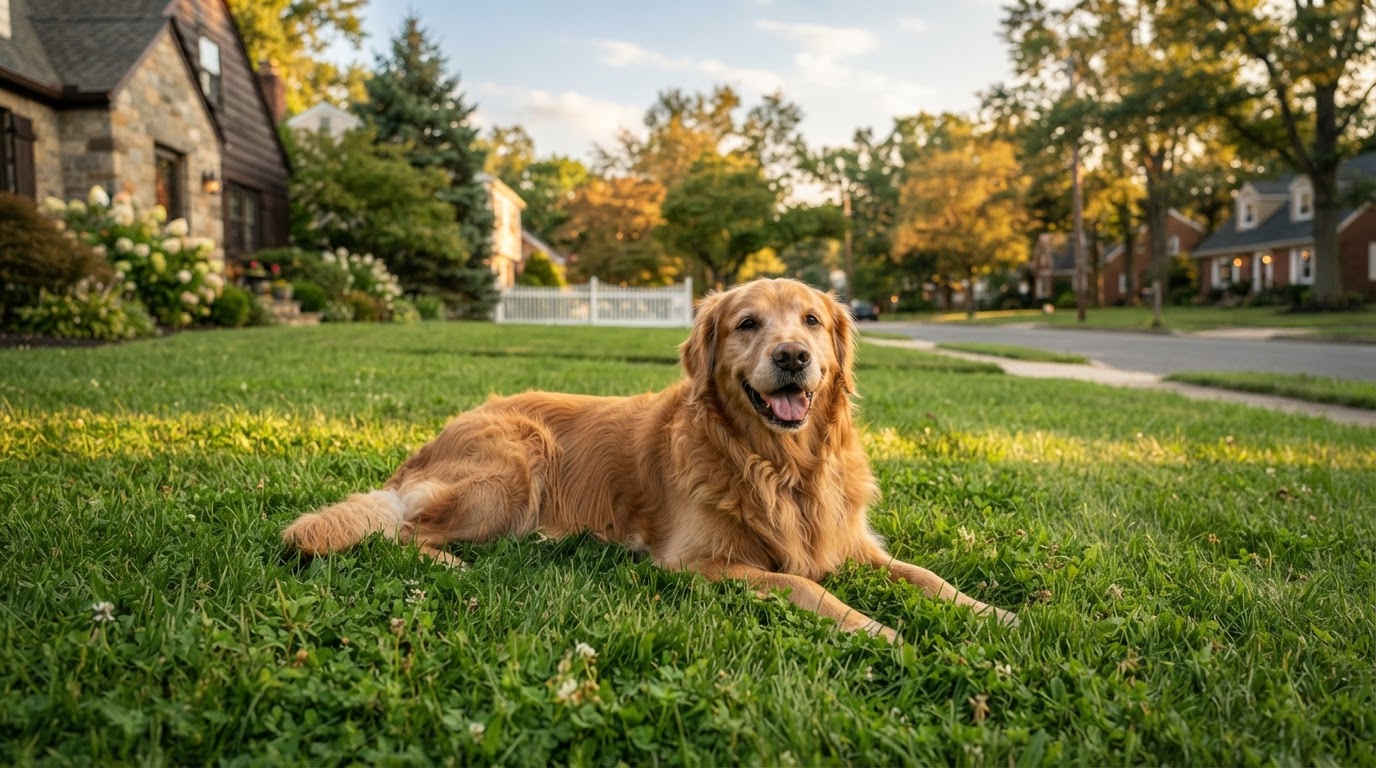
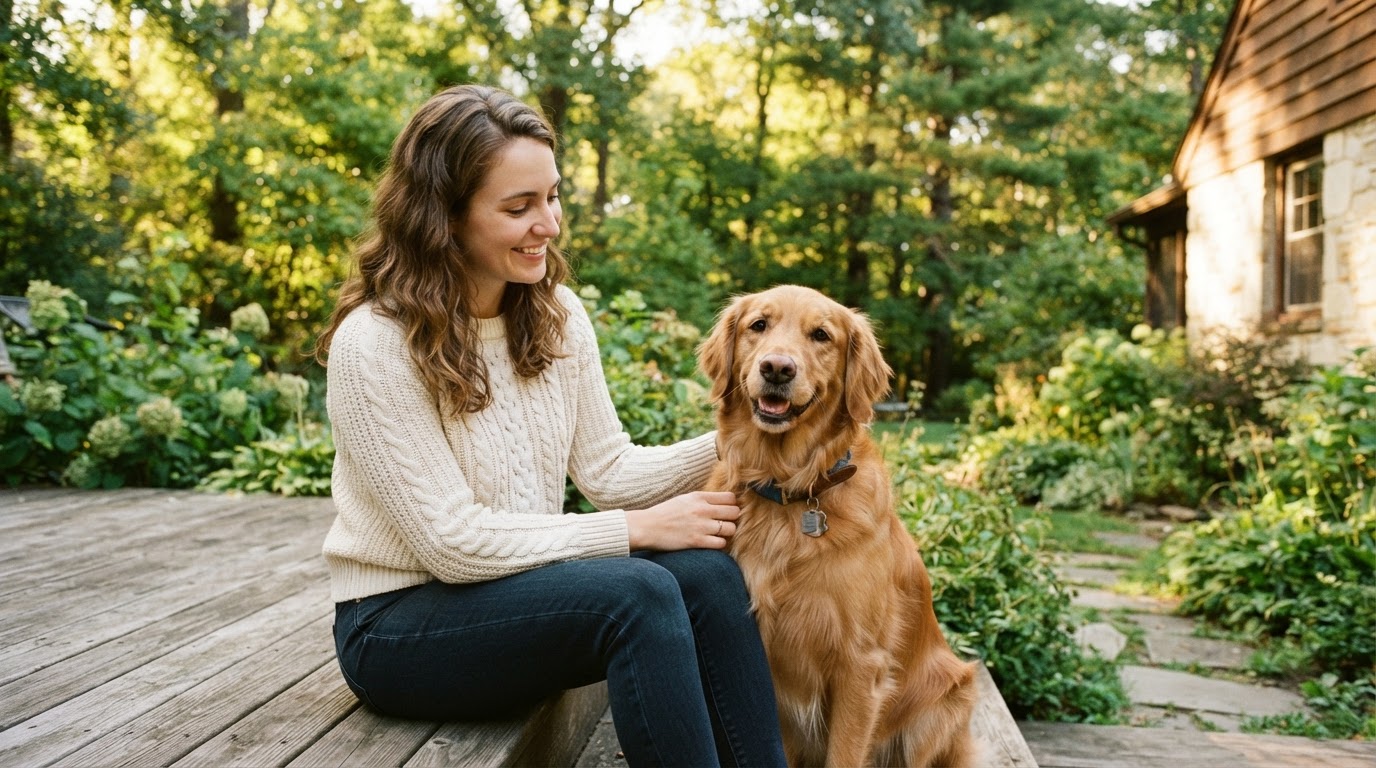
Golden Retrievers are known for their friendly expressions, beautiful coats, enthusiasm, and devotion to their people. These qualities have helped make them one of the most recognized dog breeds in the United States.
But does that mean every Golden Retriever will make the right companion dog for every person or family?
No breed guarantees a successful match. Golden Retrievers can become wonderful canine companions, but their individual temperament, health, age, energy level, training, and compatibility with the household matter more than their appearance or breed name.
Here is what prospective recipients should understand before welcoming a Golden Retriever companion dog.
What Is a Golden Retriever Companion Dog?
A Golden Retriever companion dog lives with an individual or family primarily to provide friendship, comfort, connection, and everyday companionship.
A companion dog is not automatically a service dog, therapy dog, or emotional-support animal. Those terms describe different roles and may involve different training, settings, and legal considerations.
The value of a companion dog comes from the relationship developed through daily life: shared routines, exercise, play, affection, training, and responsible care.
At Golden Green Foundation, we use the term Golden Canine for dogs considered through our developing companion-dog program. A Golden Canine may be a Golden Retriever, Golden Retriever mix, Goldendoodle, or another carefully selected dog whose individual qualities fit the prospective recipient.
Why Golden Retrievers Can Make Excellent Companion Dogs
The American Kennel Club describes Golden Retrievers as friendly, devoted, intelligent, and generally eager to please. Those breed tendencies may support a close companion relationship.
Potential strengths include:
Many Golden Retrievers enjoy spending time with people and participating in family life. They may seek proximity, affection, play, and interaction throughout the day.
Golden Retrievers are often responsive to consistent, positive training. Their willingness to engage with people can help a household establish routines and build clear communication.
Many Goldens enjoy walking, hiking, retrieving, swimming, and other outdoor activities. For a person seeking a dog who can participate in an active routine, the right Golden Retriever may be an excellent fit.
A friendly dog may encourage positive interaction with neighbors and other dog owners. Walks, training classes, and appropriate community activities can create opportunities for social connection.
With appropriate exercise, training, and care, some Golden Retrievers can adjust to different households and routines. The individual dog's temperament remains essential.
These are general breed tendencies, not promises about a particular dog.
Affectionate companionship
Many Golden Retrievers enjoy spending time with people and participating in family life. They may seek proximity, affection, play, and interaction throughout the day.
Trainability
Golden Retrievers are often responsive to consistent, positive training. Their willingness to engage with people can help a household establish routines and build clear communication.
An active lifestyle
Many Goldens enjoy walking, hiking, retrieving, swimming, and other outdoor activities. For a person seeking a dog who can participate in an active routine, the right Golden Retriever may be an excellent fit.
Social engagement
A friendly dog may encourage positive interaction with neighbors and other dog owners. Walks, training classes, and appropriate community activities can create opportunities for social connection.
Adaptability
With appropriate exercise, training, and care, some Golden Retrievers can adjust to different households and routines. The individual dog's temperament remains essential.
These are general breed tendencies, not promises about a particular dog.
Why a Golden Retriever May Not Fit Every Household
Golden Retrievers require significant time, attention, and care. Their popularity should not cause prospective owners to overlook their needs.
Golden Retrievers belong to the Sporting Group and were developed as active working dogs. Many need substantial daily physical activity and mental stimulation.
A short bathroom break is not enough for most healthy adult Goldens. Without appropriate outlets, an energetic dog may become restless, frustrated, vocal, or destructive.
The household should consider:
- Who will walk and exercise the dog?
- What happens during bad weather?
- Can the recipient safely manage a medium-to-large dog?
- Who will help during illness, travel, or long workdays?
- Does the dog need structured activities beyond walks?
Exercise should match the dog's age, health, and veterinary guidance.
Golden Retrievers have a thick double coat. They generally shed throughout the year and more heavily during seasonal changes.
Regular brushing, bathing when appropriate, nail care, ear care, and household cleaning are part of living with a Golden Retriever. Some households may also use professional grooming services.
A person with allergies, limited mobility, difficulty maintaining the coat, or a strong preference for a low-shedding home should consider these realities before proceeding.
The coat should not be viewed as merely decorative. It requires continuing care.
Adult Golden Retrievers are medium-to-large dogs. An enthusiastic Golden may jump, pull, lean, carry household objects, or greet people with considerable energy.
Size and strength matter when matching a dog with:
- A person who has balance or mobility concerns
- Young children
- Older adults
- Other household animals
- A small living space
- Someone unable to manage a strong dog on a leash
Training can improve manners, but the dog's physical size and energy cannot be ignored.
Many Golden Retrievers are highly social. A dog that spends long periods alone without sufficient interaction, exercise, or enrichment may struggle.
Households with rotating shifts, frequent travel, long workdays, or unpredictable schedules need a reliable plan for the dog's care. That may include a family member, trusted caregiver, dog walker, or appropriate day-care arrangement.
Wanting a people-oriented breed also means accepting responsibility for the dog's social needs.
Golden Retrievers can experience health conditions that require veterinary monitoring or treatment. The Golden Retriever Club of America encourages responsible attention to health, temperament, preventive care, exercise, nutrition, grooming, and veterinary support.
Prospective owners should prepare for:
- Routine veterinary examinations
- Vaccinations and parasite prevention
- Dental care
- Ear and skin care
- Appropriate nutrition
- Emergency treatment
- Age-related changes
- Possible breed-associated health concerns
- Insurance or an emergency savings plan
No organization can guarantee that a dog will remain healthy throughout its life.
Learn more from the Golden Retriever Club of America and the American Kennel Club's Golden Retriever guide.
They Need Regular Exercise
Golden Retrievers belong to the Sporting Group and were developed as active working dogs. Many need substantial daily physical activity and mental stimulation.
A short bathroom break is not enough for most healthy adult Goldens. Without appropriate outlets, an energetic dog may become restless, frustrated, vocal, or destructive.
The household should consider:
- Who will walk and exercise the dog?
- What happens during bad weather?
- Can the recipient safely manage a medium-to-large dog?
- Who will help during illness, travel, or long workdays?
- Does the dog need structured activities beyond walks?
Exercise should match the dog's age, health, and veterinary guidance.
They Shed and Require Grooming
Golden Retrievers have a thick double coat. They generally shed throughout the year and more heavily during seasonal changes.
Regular brushing, bathing when appropriate, nail care, ear care, and household cleaning are part of living with a Golden Retriever. Some households may also use professional grooming services.
A person with allergies, limited mobility, difficulty maintaining the coat, or a strong preference for a low-shedding home should consider these realities before proceeding.
The coat should not be viewed as merely decorative. It requires continuing care.
Their Size and Enthusiasm Can Be Challenging
Adult Golden Retrievers are medium-to-large dogs. An enthusiastic Golden may jump, pull, lean, carry household objects, or greet people with considerable energy.
Size and strength matter when matching a dog with:
- A person who has balance or mobility concerns
- Young children
- Older adults
- Other household animals
- A small living space
- Someone unable to manage a strong dog on a leash
Training can improve manners, but the dog's physical size and energy cannot be ignored.
They Need Human Interaction
Many Golden Retrievers are highly social. A dog that spends long periods alone without sufficient interaction, exercise, or enrichment may struggle.
Households with rotating shifts, frequent travel, long workdays, or unpredictable schedules need a reliable plan for the dog's care. That may include a family member, trusted caregiver, dog walker, or appropriate day-care arrangement.
Wanting a people-oriented breed also means accepting responsibility for the dog's social needs.
Health and Veterinary Costs Must Be Considered
Golden Retrievers can experience health conditions that require veterinary monitoring or treatment. The Golden Retriever Club of America encourages responsible attention to health, temperament, preventive care, exercise, nutrition, grooming, and veterinary support.
Prospective owners should prepare for:
- Routine veterinary examinations
- Vaccinations and parasite prevention
- Dental care
- Ear and skin care
- Appropriate nutrition
- Emergency treatment
- Age-related changes
- Possible breed-associated health concerns
- Insurance or an emergency savings plan
No organization can guarantee that a dog will remain healthy throughout its life.
Learn more from the Golden Retriever Club of America and the American Kennel Club's Golden Retriever guide.
Temperament Matters More Than the Breed Label
The words "Golden Retriever" provide some useful background, but they do not describe the entire dog.
Individual Goldens can differ significantly in:
- Confidence
- Sociability
- Sensitivity
- Energy
- Independence
- Comfort with children
- Behavior around other animals
- Response to unfamiliar environments
- Ability to settle indoors
- Handling tolerance
- Training history
A calm adult Golden may fit a household that could not safely manage an energetic puppy. A mixed-breed dog may be a better companion than a purebred Golden. Another breed may match the recipient more successfully.
Responsible placement begins by evaluating the actual dog—not an idealized image of the breed.
Read more about why temperament matters when matching a companion dog.
Golden Retriever Companion Dogs for First Responders
A Golden Retriever may suit a first responder who wants an affectionate, active companion outside of work.
However, first responders often work long shifts, rotating schedules, nights, weekends, and unexpected overtime. Before considering a placement, the household needs a dependable plan for exercise, meals, bathroom breaks, supervision, and companionship when the recipient is unavailable.
A dog should add a positive relationship to the person's life without having its own needs neglected.
Learn more about companion dogs for first responders.
Golden Retriever Companion Dogs for People With Disabilities
Some people with disabilities may enjoy the friendship and routine of a Golden Retriever companion dog. Matching must account for mobility, accessibility, balance, sensory needs, daily care, and the dog's size and energy.
A companion dog is not automatically a service dog. Under the Americans with Disabilities Act, a service dog is individually trained to perform work or tasks directly related to a person's disability.
If an individual requires disability-related task assistance or public-access rights, a general companion-dog placement may not meet that need.
Golden Retriever Companion Dogs for Families
Golden Retrievers are often described as family-friendly, but no dog should be placed with children based solely on breed reputation.
Adults must remain responsible for:
- Supervision
- Feeding and veterinary care
- Exercise
- Training
- Safe child-dog interaction
- Providing the dog with rest and personal space
Children should learn not to climb on, corner, disturb, or take food from a dog. Dogs and young children should be actively supervised together.
A friendly reputation is never a substitute for careful matching, respectful interaction, and responsible adult oversight.
Questions to Ask Before Choosing a Golden Retriever
Before pursuing a Golden Retriever companion dog, ask:
- Can we provide sufficient daily exercise?
- Are we prepared for shedding and regular grooming?
- Can everyone safely manage a dog of this size?
- Who will provide care during work, travel, or emergencies?
- Can we afford routine and unexpected veterinary expenses?
- Are all household members comfortable with the decision?
- Is the dog compatible with children and existing pets?
- Would an adult dog fit better than a puppy?
- Does the individual dog's temperament match our household?
- Are we prepared for a commitment that may last many years?
If several answers are uncertain, waiting may be the most responsible choice.
How Golden Green Foundation Approaches Matching
Golden Green Foundation is a registered 501(c)(3) companion-dog charity rooted in Eastern Pennsylvania. We are preparing for an anticipated 2027 program launch.
Our developing placement process is intended to consider:
- The recipient's circumstances and expectations
- The dog's temperament, health, age, and energy
- Household members and existing animals
- Housing and accessibility
- The ability to provide lifelong care
- Available family or community support
- A gradual introduction between dog and recipient
- Ongoing check-ins following placement
Applying or being nominated will not guarantee eligibility, selection, or placement. The Foundation cannot promise that a Golden Retriever will be available or appropriate for a particular applicant.
Our responsibility is to seek the right connection—not simply a recognizable breed.
The Right Dog Matters More Than the Golden Coat
Golden Retrievers can be affectionate, intelligent, joyful, and deeply devoted companions. They can also be energetic, strong, demanding, expensive to care for, and poorly suited to some households.
A beautiful coat and friendly breed reputation should never be the only reasons for choosing a dog.
The best companion-dog relationship begins with honest expectations, careful evaluation, responsible preparation, and respect for the individual needs of both the person and the dog.
Learn what a companion dog is, consider whether you are ready for a companion dog, or explore our Golden Canines.
This article provides general educational information. It is not veterinary, medical, disability, housing, or legal advice.
Golden Green LLC
Your Lawn’s Best Friend — lawn care in Eastern Pennsylvania.
Visit goldengreenlawns.com